
Eyesafe technology
How Eyesafe works.
Less high-energy blue light. Sharper, true color. Built into the material, measured against the Eyesafe® standard and verified by third-party labs, like UL Solutions and TÜV Rheinland.




01 · The light
It starts with the light your screen emits.
Screens make white by mixing blue, green and red light. On LED-backlit LCD screens (most laptops, monitors and TVs), the blue comes from one sharp spike, measured here at 444 nm. OLED screens (most phones) have three separate peaks, with blue at 458 nm. About 30% of a typical screen’s visible output falls between 435 and 500 nm.3
The health scienceWhere blue light matters for the eye and for sleepExpand
International standards single out two bands inside the blue range. Both sit where screens emit: LCD blue peaks at 444 nm and OLED at 458 nm.
The peak of the blue-light hazard function used in eye-safety standards (ICNIRP, IEC 62471), the region of greatest concern for the eye.1
Peak melanopic sensitivity, the eye’s body-clock receptors (CIE S 026). Light in the 400–500 nm range has been shown to impact sleep.2,4
Grounded in published standards
02 · The problem
Most blue light filters miss or overcorrect.
The two common approaches either cut light the screen doesn’t emit, or remove blue by tinting everything. Each chart shows a real, measured filter over an LED display’s light.
UV-cut filters
The cut sits below the display’s light, so almost nothing changes.

Tinted filters and night modes
They remove blue by tinting the whole screen amber.

Eyesafe
Absorbs the blue where screens emit it, and sharpens the primaries so color stays true.

Curves are measured spectral transmission of representative products in each class. Screen images are illustrations; the tinted view is simulated from the measured amber filter on an LED display.
03 · How it works
A patented approach: absorb the blue, sharpen the color.
Eyesafe uses patented technology, including different absorbers and chemistries made for today’s modern devices. Each absorber is tuned to a specific band of the display’s light. One absorbs the high-energy blue. Others sit between the display’s own primaries, so each color comes through cleaner.
For displays, Eyesafe IQ is the technology that enables personalized light.
-
1Absorb
Eyesafe absorbers work across 400–500 nm, with peak absorption at 435–440 nm, the region of greatest concern for the eye.
-
2Sharpen
Additional notches sit in the gaps between the display’s green and red primaries. Trimming that overlap sharpens each primary, so colors look cleaner and more saturated.
-
3Balance
Because blue, green and red are all tuned together, white stays neutral. The screen doesn’t turn yellow.
Eyesafe RPF60 over a measured LED display
Eyesafe technology reduces light in the 400–500 nm range, which has been shown to impact sleep.4
Also built into the display
Eyesafe IQ, inside the screen.
The same science runs in the display itself. Turn on Eyesafe Mode and the screen lowers high-energy blue light while keeping true color.
04 · Built in
Built into the material. Not a tint.
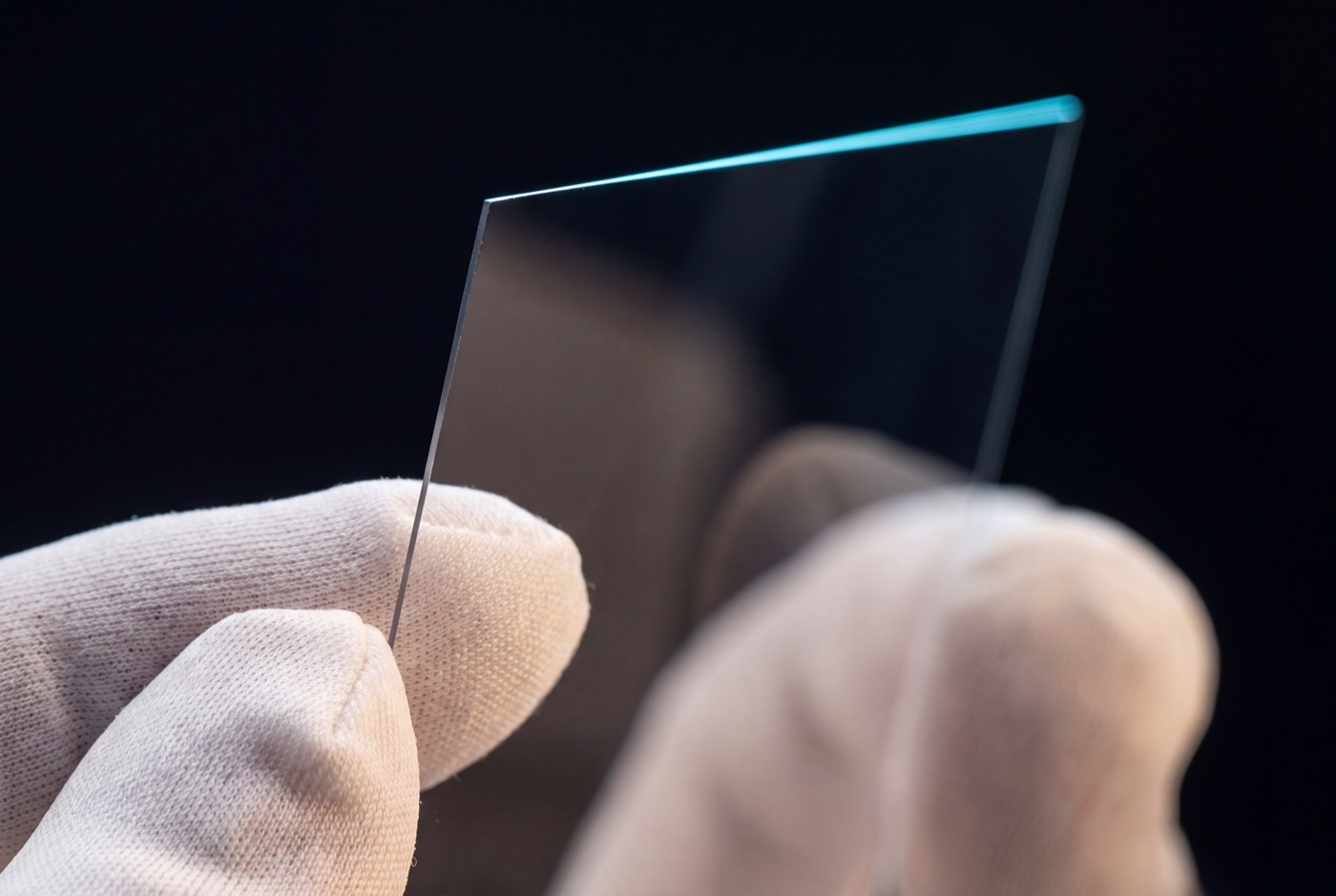
The absorbers are engineered into the film, glass, lens or display layer when it’s made. The layer looks clear, and the screen keeps its color.
-
Engineered into film, glass, lenses and panelsThe same absorber science, formulated for each material.
-
Measured by spectrophotometer, not by eyeEvery product is characterized from 380 to 780 nm.
-
Verified by third-party labsIndependent labs, like UL Solutions and TÜV Rheinland, verify performance against the Eyesafe® Requirements.
05 · Where it goes
One science. Every screen.
The Eyesafe layer sits in a different place in each product. The science is the same.
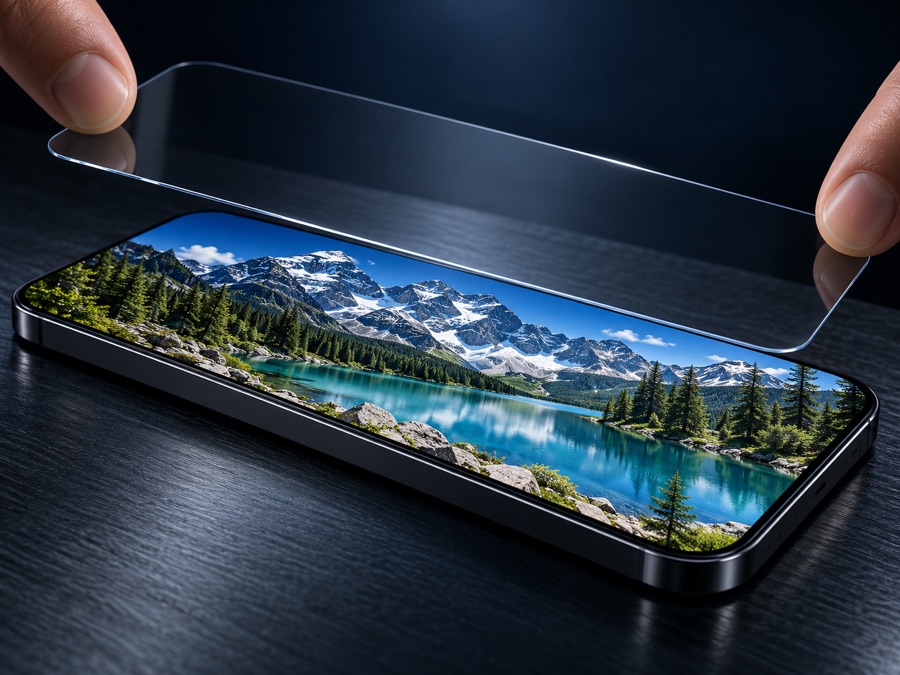
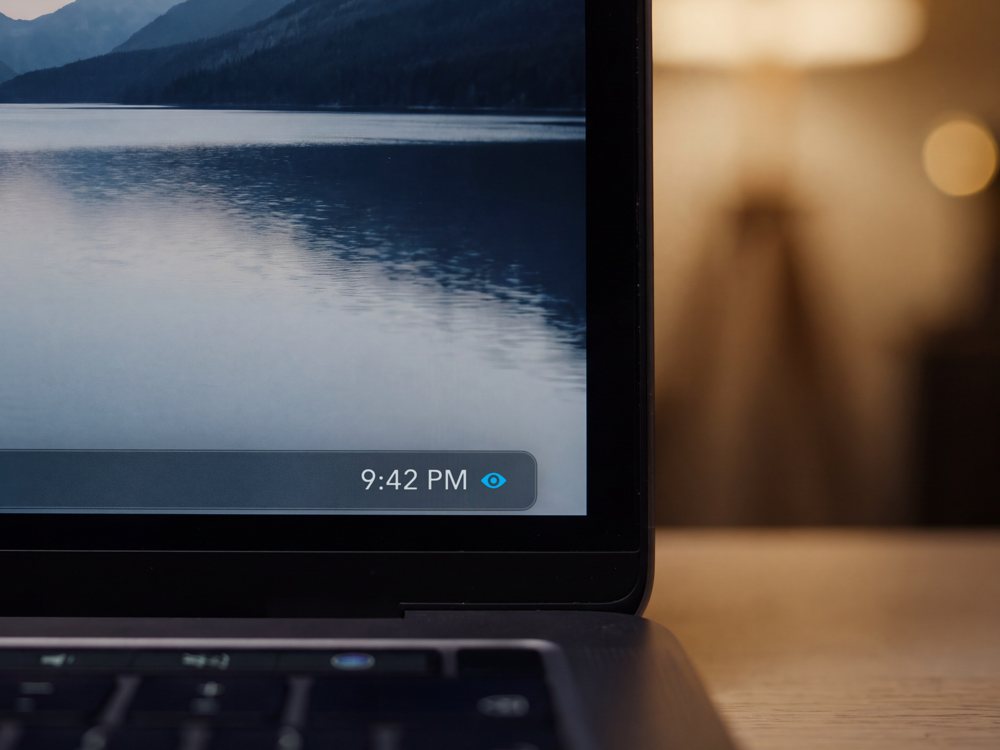
Screen protection
Film, glass and privacy for phones, laptops, Chromebooks and monitors.
- Layer
- In the film or glass stack
- Rated
- RPF® (LCD) · CPF (OLED)
Displays
Built into the panel by the manufacturer.
- Layer
- Diffuser, color filter or panel tuning
- Rated
- Display Requirements 3.0
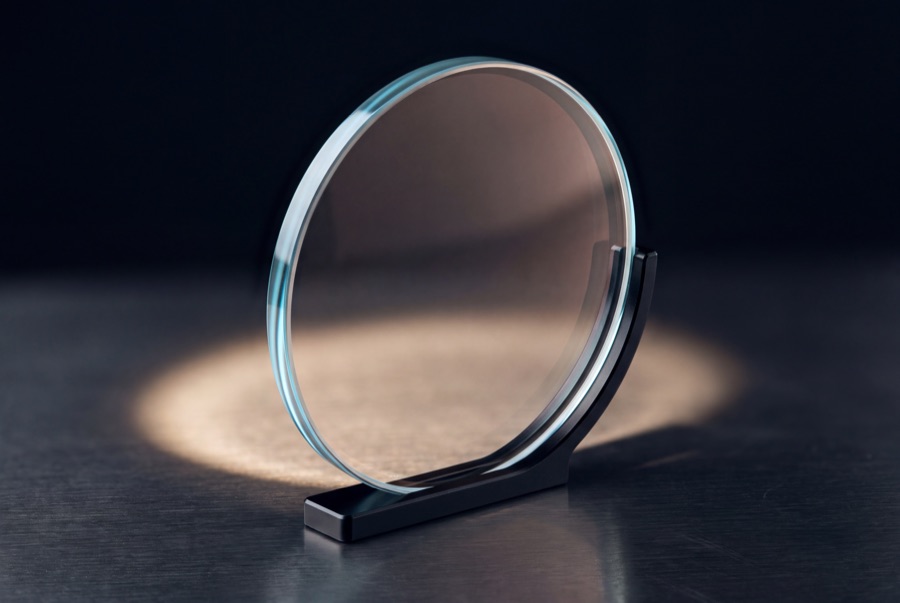
Eyewear
Lens technology for everyday and computer glasses.
- Layer
- In the lens material
- Rated
- Eyewear Requirements 1.0
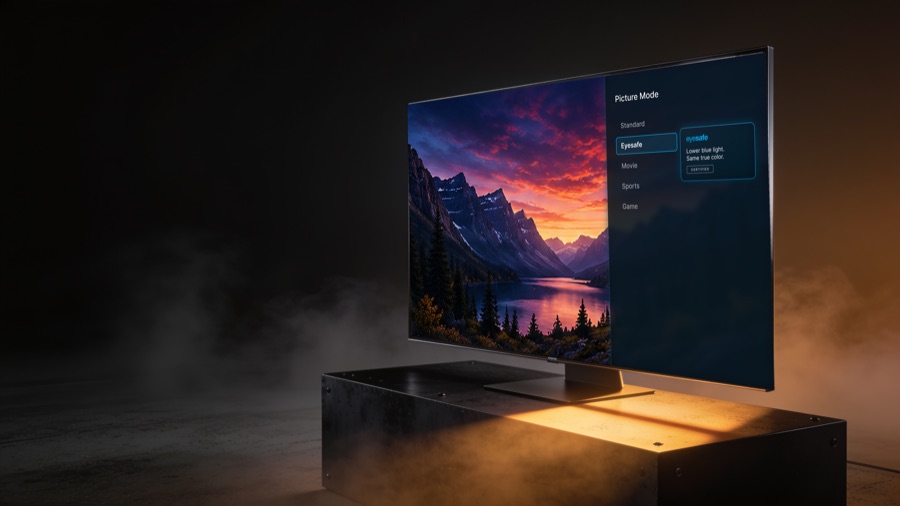
Eyesafe IQ
Adaptive software for TVs and laptops. Eyesafe Mode is the setting you turn on.
- Layer
- Calibrated picture state
- Rated
- Display Requirements 3.0
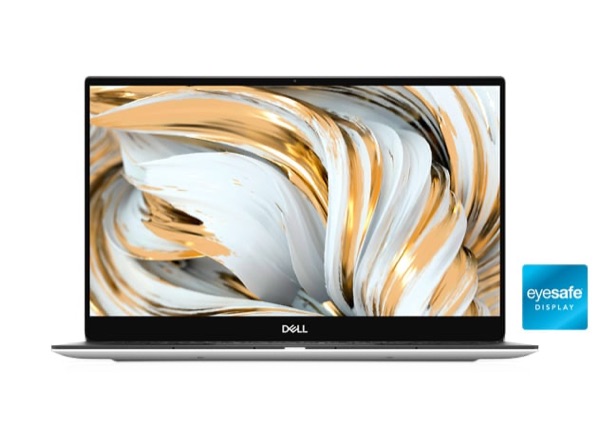
Shipping today in products you know.
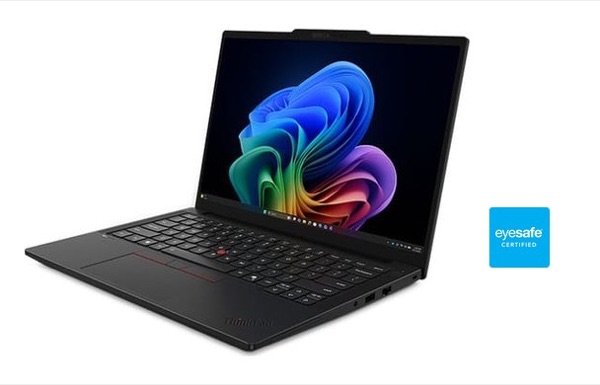
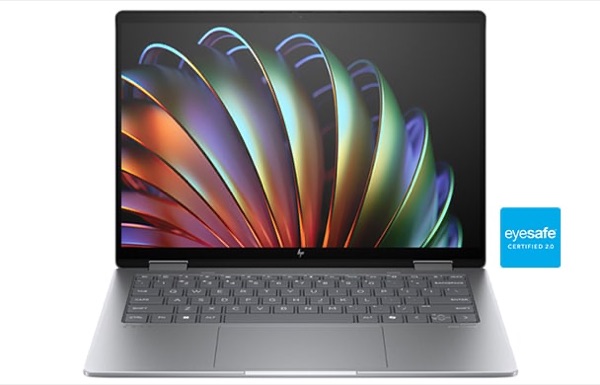
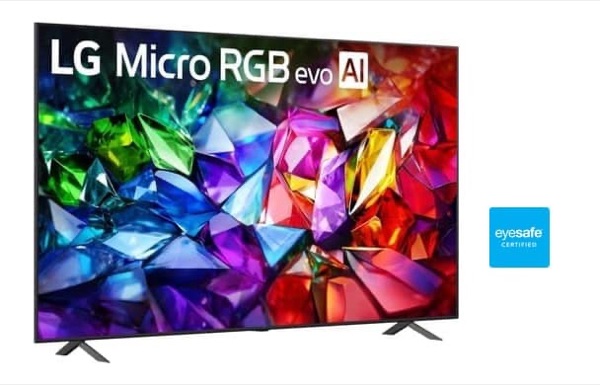
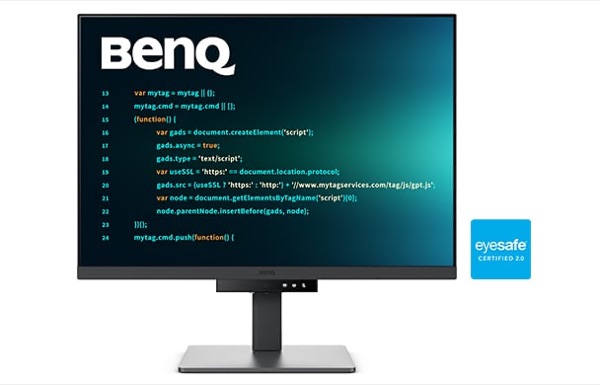
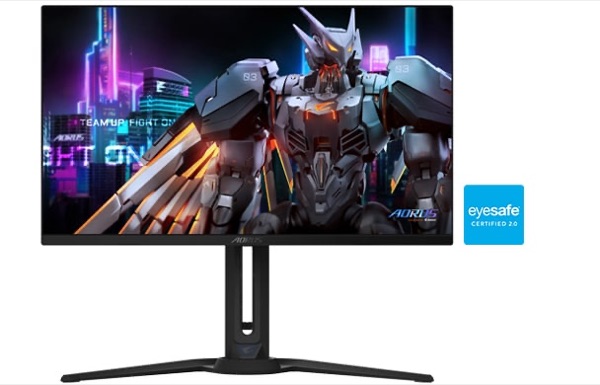
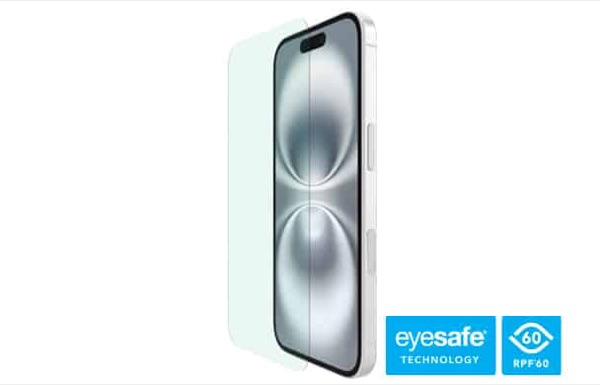
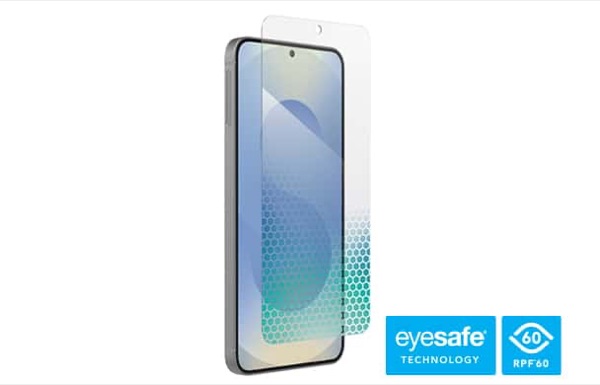
For panel makers: diffuser and color-filter integration of Eyesafe materials is available under license. Talk to our technology team.
06 · Measured
Measured against our standard.
Eyesafe® Requirements set the bar for blue light reduction and color performance. Each product gets a rating you can compare.
Each product is rated on the scale. The higher the number, the more blue light reduction in that band.

07 · Protected
Protected by 100+ patents and trade secrets.
The absorber chemistry, the formulations and the ways they’re built into each product are Eyesafe’s own.
Questions
Common questions
What does Eyesafe technology filter?
Eyesafe absorbers reduce high-energy blue light across 400–500 nm, with peak absorption at 435–440 nm. Additional notches between the display’s green and red primaries sharpen color.
Does Eyesafe change the color of my screen?
Tinted filters turn the screen yellow because they only remove blue. Eyesafe tunes blue, green and red together, so white stays neutral and colors stay true.
How is it different from a UV-cut or “blue light” coating?
Many products labelled “blue light” cut ultraviolet and violet light below 420 nm, which screens barely emit. Eyesafe targets the wavelengths screens actually produce.
How is Eyesafe performance measured?
Products are measured by spectrophotometer and rated on the RPF® and CPF scales defined in the Eyesafe® Requirements. Performance is independently verified by third-party labs, like UL Solutions and TÜV Rheinland.
Which products use Eyesafe technology?
Screen protectors, displays built by manufacturers, eyewear lenses and Eyesafe IQ software. More than 350 million Eyesafe-enabled devices have shipped. Find devices with Eyesafe.
Licensing & technology
Talk to our technology team.
For display makers, accessory brands, eyewear and platform partners who want Eyesafe technology in their products.
- Tell us about your productDevice type, display technology and timeline.
- EvaluateWe share the requirements and measure samples against them.
- License and certifyIntegrate the technology, verify with a third-party lab and carry the mark.
Prefer email? [email protected]
350 million+
Eyesafe-enabled devices.
Screens, screen protection and lenses from the world’s leading brands.
- ICNIRP (2013), Guidelines on limits of exposure to incoherent visible and infrared radiation; IEC 62471; ANSI Z80.3. Blue-light hazard function B(λ), peak 435–440 nm.
- CIE S 026:2018, System for metrology of optical radiation for ipRGC-influenced responses to light; Berson et al., Science (2002).
- Eyesafe measurement of an LED-backlit display and an OLED smartphone (True Tone off), share of 380–780 nm output within 435–500 nm: 29% and 31%.
- Chang et al., PNAS (2015); Higuchi et al. (2014); van der Lely et al., J Adolesc Health (2015).
- Transmission curves: Eyesafe spectrophotometer measurements (JASCO, 380–780 nm). Eyesafe RPF60 curve is the UL verification sample (April 2026).
Information is for general purposes only and is not medical advice. Eyesafe, RPF and the Eyesafe logo are trademarks of Eyesafe Inc.